
Blog
The History of Honey Moroccan Blonde Hash

The History of Honey Moroccan Blonde Hash
Honey Moroccan Blonde Hash holds a legendary place in cannabis history, admired for its golden hue, smooth texture, and signature sweet aroma. Its origins trace back centuries to the rugged Rif Mountains of northern Morocco, a region long known for producing some of the world’s finest hashish. While many hash-making traditions evolved independently across cultures, the unique characteristics of Honey Blonde emerged from a blend of Berber craftsmanship, environmental conditions, and generational knowledge.
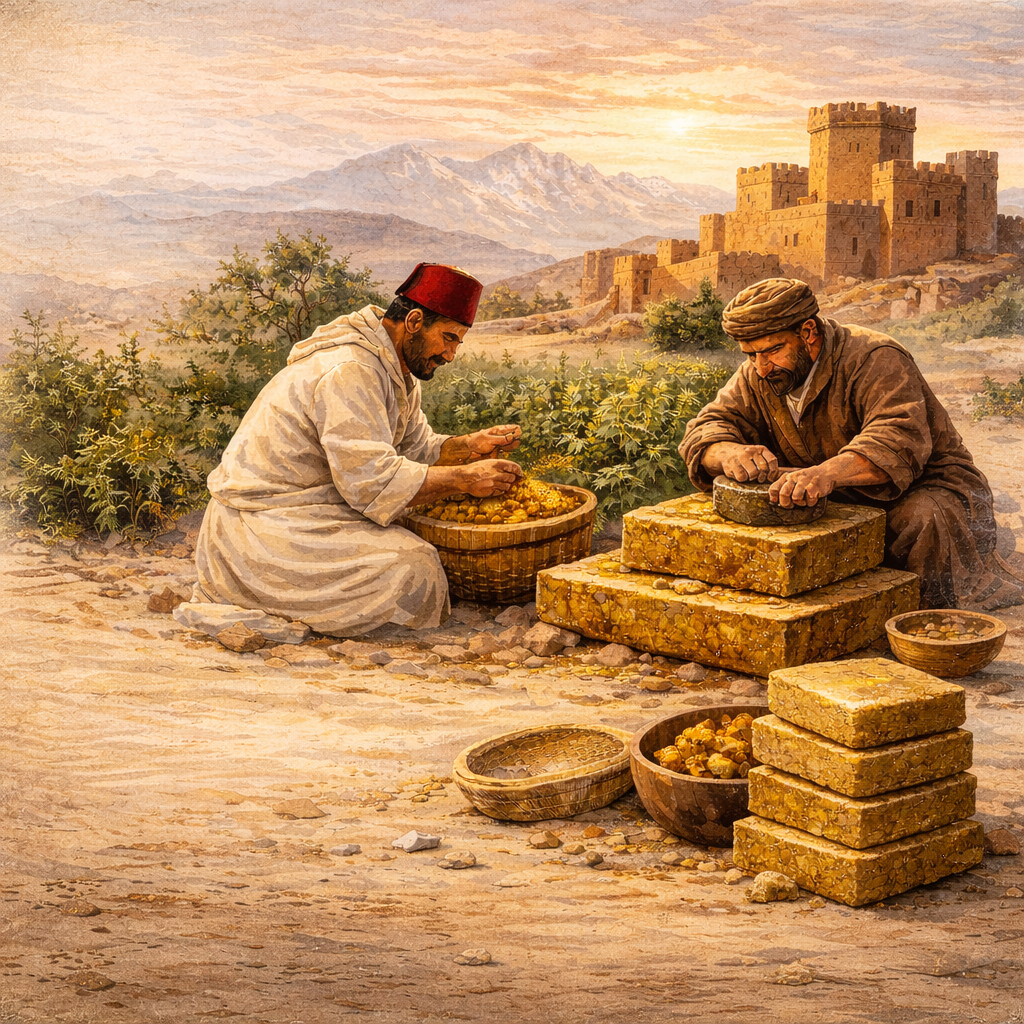
Traditional Moroccan hash production begins with cannabis plants grown in the warm, dry climate of the Rif. Farmers would wait until the plants were fully cured, then gently beat the dried branches over fine silk screens to separate the resin glands—known as kief. Unlike some modern mechanical techniques, Moroccan artisans relied on patient, rhythmic hand-sifting to achieve a soft, powdery resin prized for its purity.
Honey Moroccan Blonde Hash earned its name from both its colour and texture. When the highest-grade kief was pressed using gentle heat and hand pressure, it transformed into a blonde, golden slab with a sticky, honey-like consistency. Early producers discovered that pressing at the right temperature was key: too much heat created a darker, harsher product, while the perfect warmth produced a smooth, creamy hash with bright flavour and balanced potency.
Some historians suggest that Western travellers in the 1960s and 70s popularized the term “Honey Blonde” when they visited Morocco during the counterculture era. They encountered locally made blonde hash unlike anything available in Europe or North America at the time, and demand quickly grew. As stories spread, Honey Moroccan Blonde became a staple for hash enthusiasts worldwide, celebrated for its craftsmanship and mellow, uplifting effects.
Despite modern equipment and evolving cannabis strains, many Moroccan farmers still use time-honoured traditional methods. The best Honey Blonde is still produced through careful hand-sifting, slow pressing, and a respect for the plant that reflects generations of cultural heritage.
Today, Honey Moroccan Blonde Hash remains a symbol of Moroccan artistry—an enduring blend of environment, tradition, and human skill that continues to influence hash-making across the globe.