
Blog
The Scientific Benefits of THC and Cannabis-Derived Products

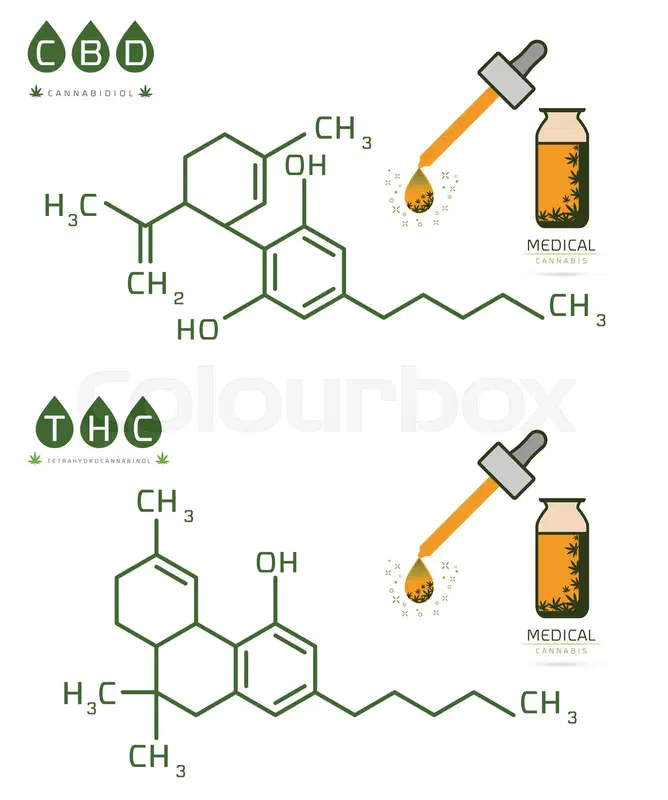
The Scientific Benefits of THC and Cannabis-Derived Products
As cannabis research continues to advance, scientists are uncovering a growing number of evidence-based benefits linked to THC and other cannabis-derived products. While THC is widely recognized for its psychoactive effects, its therapeutic potential is supported by decades of medical studies and real-world clinical use.
One of the most well-documented benefits of THC is its ability to manage pain. The human body’s endocannabinoid system plays a key role in regulating pain signals, and THC interacts directly with CB1 receptors in the brain to help reduce discomfort. This makes THC an option for individuals managing chronic conditions such as arthritis, neuropathy, and musculoskeletal pain. Many patients report relief where traditional medications have been ineffective or caused unwanted side effects.
THC has also been shown to support appetite stimulation, making it especially valuable for individuals undergoing cancer treatments or dealing with medical conditions that reduce appetite. In clinical settings, THC-based medications have been used for decades to help patients maintain healthy nutrition levels during treatment.
Another major scientific benefit is THC’s ability to reduce nausea. Research has consistently shown that THC interacts with the body’s vomiting-control pathways, which has led to its use in prescription medications designed to reduce chemotherapy-induced nausea. These effects have greatly improved quality of life for many patients facing aggressive medical treatments.
Beyond THC itself, cannabis-derived products such as full-spectrum oils, edibles, topicals, and vaporized extracts offer diverse benefits depending on their formulation. Full-spectrum products, for example, contain multiple cannabinoids and terpenes that work together in what researchers call the “entourage effect,” potentially enhancing therapeutic outcomes. Many consumers find that a combination of THC and CBD provides balanced relief without overwhelming psychoactive effects.
Topical cannabis products have gained recognition for their localized effects on inflammation and joint discomfort. Unlike ingested THC, topicals do not produce intoxication, making them appealing for users seeking relief without cognitive changes. Edibles and capsules, on the other hand, offer long-lasting effects due to slower digestion and absorption, making them suitable for sustained symptom management.
As cannabis research expands globally, scientists continue to explore THC’s potential in areas such as sleep regulation, anxiety relief, and neuroprotection. While responsible use and proper dosing remain essential, evidence increasingly supports the meaningful role cannabis can play in modern wellness and therapeutic care.
With a growing body of scientific validation, THC and cannabis-derived products are becoming recognized not only for their recreational value but also for their measurable contributions to health, comfort, and improved quality of life.